Understanding SEO Spiders: A Comprehensive Guide by WebWeavers Analytics
Discover the power of SEO spiders in improving your website's visibility and search engine ranking. WebWeavers Analytics provides expert insights into how these tools work and how they can benefit your business.
Introduction to SEO Spiders
In the dynamic world of Search Engine Optimization (SEO), understanding the tools and techniques that drive successful online visibility is crucial. One such pivotal tool is the SEO spider, also known as a web crawler. An SEO spider is a program designed to systematically browse the World Wide Web in a methodical, automated manner. Its primary function is to create a copy of all visited pages for later processing by a search engine, which will index these pages to provide faster and more accurate search results.
From the perspective of WebWeavers Analytics, located in the heart of Silicon Valley, where innovation meets practicality, SEO spiders are not merely automated tools; they are indispensable allies in the quest for online supremacy. Imagine a tiny, tireless robot meticulously navigating the labyrinthine pathways of your website, identifying strengths, pinpointing weaknesses, and gathering crucial data that can be transformed into actionable strategies. This is precisely what an SEO spider does.
The core functionality of an SEO spider involves starting with a list of URLs to visit, called the 'seed.' As the spider visits these URLs, it identifies all hyperlinks within the page and adds them to a list of URLs to visit, a process called 'crawling.' This recursive process continues until the spider has visited and analyzed a significant portion, or ideally, all of the website. The data collected includes HTML code, text content, metadata, links (both internal and external), and various other elements that contribute to a website's SEO profile.
Key Benefits of Using SEO Spiders
The strategic deployment of SEO spiders offers a plethora of benefits, each contributing to a stronger and more effective SEO strategy. At WebWeavers Analytics, we leverage these benefits to provide our clients with a competitive edge in the digital landscape.
- Website Audit and Analysis: SEO spiders can comprehensively audit a website, identifying broken links, duplicate content, missing metadata, and other technical issues that can negatively impact search engine rankings. This detailed analysis allows for the swift correction of these issues, enhancing overall site health.
- Content Discovery and Evaluation: By crawling through all the content on a website, SEO spiders can identify gaps, inconsistencies, and areas for improvement. This information can be used to optimize existing content or create new content that better aligns with target keywords and user intent.
- Link Analysis: Understanding the internal and external link structure of a website is crucial for SEO. SEO spiders can map out these links, identifying opportunities to improve internal linking, discover broken backlinks, and assess the quality of external links.
- Competitor Analysis: SEO spiders can be used to analyze competitors' websites, providing insights into their keyword strategies, content tactics, and link building efforts. This information can be used to refine your own SEO strategy and gain a competitive advantage.
- Improved Site Navigation: A well-structured website with clear navigation is essential for both users and search engines. SEO spiders can identify areas where site navigation can be improved, ensuring that users can easily find the information they need and that search engines can efficiently crawl and index the site.

Popular SEO Spiders in the Market
Several robust SEO spider tools are available, each offering unique features and functionalities. At WebWeavers Analytics, our team of experienced SEO specialists, including Dr. Anya Sharma, PhD in Data Science from Stanford University, and Mark Chen, a seasoned SEO strategist with over a decade of experience, meticulously evaluate and select the most appropriate tools for each client's specific needs.
- Screaming Frog SEO Spider: Widely regarded as one of the most comprehensive SEO spiders, Screaming Frog offers a vast array of features, including crawling, auditing, and analyzing websites of all sizes. Its ability to identify technical SEO issues, extract data, and integrate with other SEO tools makes it a favorite among SEO professionals.
- Sitebulb: Known for its user-friendly interface and actionable insights, Sitebulb is an excellent choice for both novice and experienced SEO professionals. Its visual reports and prioritized recommendations make it easy to identify and address SEO issues.
- Deepcrawl: A cloud-based SEO crawler designed for enterprise-level websites, Deepcrawl provides advanced crawling and analysis capabilities, including the ability to monitor website performance over time and identify potential issues before they impact search engine rankings.
- Botify: Another enterprise-level SEO platform, Botify offers a comprehensive suite of tools for crawling, analyzing, and optimizing websites. Its focus on data-driven insights and automation makes it a powerful tool for large organizations.
- SEMrush: While primarily known as a keyword research and competitive analysis tool, SEMrush also offers a site audit feature that utilizes web crawling to identify technical SEO issues and provide recommendations for improvement.
How SEO Spiders Work: A Technical Overview
The inner workings of an SEO spider involve a series of complex processes, each meticulously designed to ensure efficient and accurate data collection. From a technical standpoint, an SEO spider operates as a software application that emulates the behavior of a web browser, requesting and receiving HTML documents from web servers.
- Initialization: The spider begins with a 'seed' URL, which serves as the starting point for the crawling process. This URL is typically the homepage of the website being analyzed.
- Request and Response: The spider sends an HTTP request to the web server hosting the seed URL. The server responds by sending back the HTML document associated with that URL.
- Parsing and Analysis: The spider parses the HTML document, extracting all the links (both internal and external) contained within the page. These links are then added to a queue of URLs to be visited.
- Data Extraction: In addition to extracting links, the spider also extracts other relevant data from the HTML document, such as the title tag, meta description, headings, content, and images.
- Recursive Crawling: The spider then selects the next URL from the queue and repeats the process of requesting, receiving, parsing, and analyzing the HTML document. This recursive process continues until the spider has visited and analyzed a significant portion, or ideally, all of the website.
- Data Storage and Reporting: The data collected by the spider is stored in a database or other data storage system. This data can then be used to generate reports and visualizations that provide insights into the website's SEO performance.
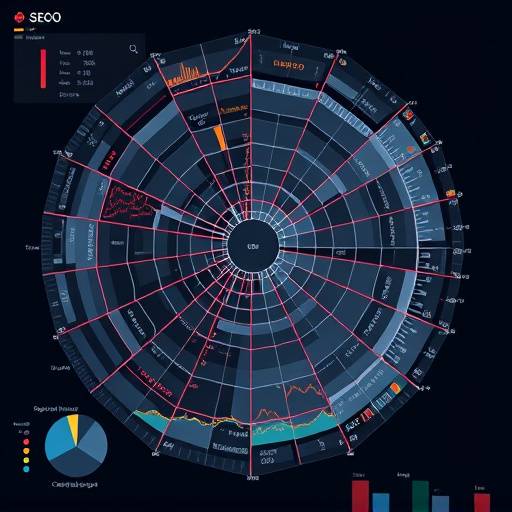
At WebWeavers Analytics, our proprietary crawling algorithms are constantly being refined and optimized to ensure that we are providing our clients with the most accurate and comprehensive data possible. Our commitment to innovation and excellence is what sets us apart from the competition.
WebWeavers Analytics Contact Information
For inquiries and SEO consultations, please reach out to us:
Address: 555 Algorithm Avenue, Palo Alto, CA 94304, USA
Phone: +1 626-073-4088
Email: info@webweaversanalytics.com
Contact Person: Emily Carter, Head of Client Relations
Related Resources
SEO Spider Tool Comparison
Here's a comparison table of popular SEO spider tools:
| Tool Name | Key Features | Pricing | Target Audience |
|---|---|---|---|
| Screaming Frog SEO Spider | Comprehensive crawling, technical SEO audit, data extraction | Free (limited), Paid license available | SEO professionals, website owners |
| Sitebulb | User-friendly interface, visual reports, actionable insights | Paid license only | SEO professionals, digital marketers |
| Deepcrawl | Cloud-based, enterprise-level crawling, website monitoring | Enterprise pricing only | Large organizations, enterprise SEO teams |
| Botify | Comprehensive suite of tools, data-driven insights, automation | Enterprise pricing only | Large organizations, enterprise SEO teams |
| SEMrush | Site audit feature, keyword research, competitive analysis | Paid subscription only | SEO professionals, digital marketers, website owners |