Crawling JavaScript-Heavy Sites
Modern websites heavily rely on JavaScript to render content. Traditional SEO spiders often struggle to crawl these sites effectively, leading to incomplete indexing and inaccurate SEO analysis. WebWeavers Analytics utilizes advanced rendering capabilities to execute JavaScript and crawl the fully rendered HTML. This ensures that all content, including dynamically loaded content, is discovered and analyzed.
Crawling JavaScript-heavy sites requires a headless browser or a similar rendering engine that can execute JavaScript. The spider needs to wait for the JavaScript to execute and the page to fully render before extracting the content. This process is more resource-intensive than crawling static HTML pages, but it's essential for accurate SEO analysis of modern websites.
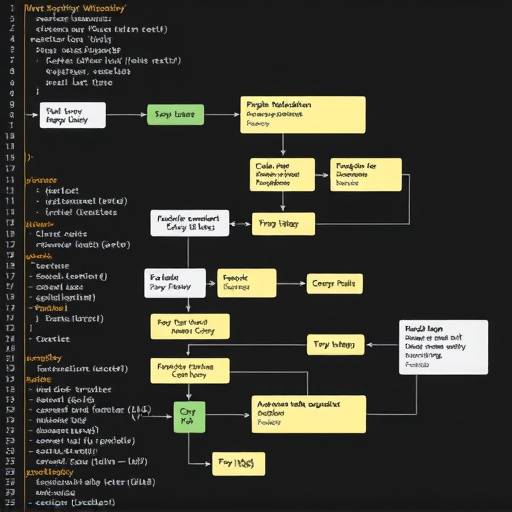
The diagram above illustrates the process of crawling JavaScript-heavy websites. The spider first requests the HTML, then the rendering engine executes the JavaScript, and finally, the spider analyzes the fully rendered content.
Best Practices for Crawling JavaScript Sites
- Use a spider with JavaScript rendering capabilities.
- Configure the spider to wait for JavaScript execution.
- Monitor crawling performance and adjust settings as needed.
- Ensure your website is optimized for JavaScript SEO.
Efficiently Handling Redirects
Redirects are crucial for maintaining website structure and usability, but they can also impact SEO if not handled correctly. SEO spiders need to be able to identify and analyze redirects to ensure that search engines can properly index your website and that users are directed to the correct pages. WebWeavers Analytics provides comprehensive redirect analysis, including identifying redirect chains, broken redirects, and temporary vs. permanent redirects.
Redirect chains can slow down crawling and dilute link equity. Broken redirects lead to 404 errors and a poor user experience. Temporary redirects (302) should be used sparingly, as they can confuse search engines. Permanent redirects (301) are the preferred method for redirecting pages that have been permanently moved.
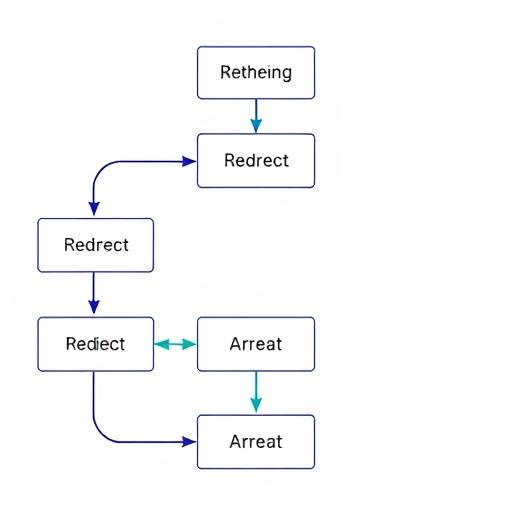
The flowchart above shows the process of handling redirects. The spider follows the redirect until it reaches the final destination or encounters an error.
Types of Redirects
| Redirect Type | Description | SEO Impact |
|---|---|---|
| 301 Permanent Redirect | Indicates that a page has been permanently moved to a new URL. | Passes most of the link equity to the new URL. |
| 302 Temporary Redirect | Indicates that a page has been temporarily moved to a new URL. | Does not pass link equity to the new URL. |
| 307 Temporary Redirect | Similar to 302, but ensures that the method and body of the original request are reused. | Does not pass link equity to the new URL. |
| Meta Refresh Redirect | A client-side redirect implemented using a meta tag. | Not recommended for SEO, as it can confuse search engines. |
Identifying and Managing Duplicate Content
Duplicate content can negatively impact your website's search engine ranking. SEO spiders can help identify duplicate content issues by crawling your website and comparing the content of different pages. WebWeavers Analytics provides tools for identifying duplicate content, including near-duplicate content, and suggesting solutions such as canonicalization and noindex tags.
Duplicate content can occur when multiple pages on your website have the same or very similar content. This can happen due to various reasons, such as URL parameters, printer-friendly versions of pages, and content syndication. Search engines may penalize websites with duplicate content, as it can be difficult to determine which page is the original and should be ranked higher.
Strategies for Managing Duplicate Content
- Use canonical tags to specify the preferred version of a page.
- Implement 301 redirects to consolidate duplicate pages into a single page.
- Use noindex tags to prevent search engines from indexing duplicate pages.
- Rewrite or consolidate duplicate content to create unique and valuable content.
- Use the "rel=alternate" hreflang tag when content is similar but targeted to different languages.
WebWeavers Analytics Services
At WebWeavers Analytics, located at 42 Elm Street, Suite 200, Toronto, ON M5G 1X7, Canada, we offer comprehensive SEO spider services to help you improve your website's search engine ranking. Our team of experts, led by Dr. Anya Sharma, a leading expert in SEO and web analytics, uses the latest tools and techniques to crawl your website, identify SEO issues, and provide actionable recommendations. Contact us at +1 800-452-3471 or info@webweaversanalytics.com to learn more about our services.
We also offer training courses on advanced SEO spider techniques. Our courses are designed for SEO professionals, web developers, and website owners who want to improve their skills in web crawling and SEO analysis. Our courses cover topics such as crawling JavaScript-heavy sites, handling redirects, identifying duplicate content, and using SEO spiders for competitive analysis. Our instructors are experienced SEO professionals who have a proven track record of success.